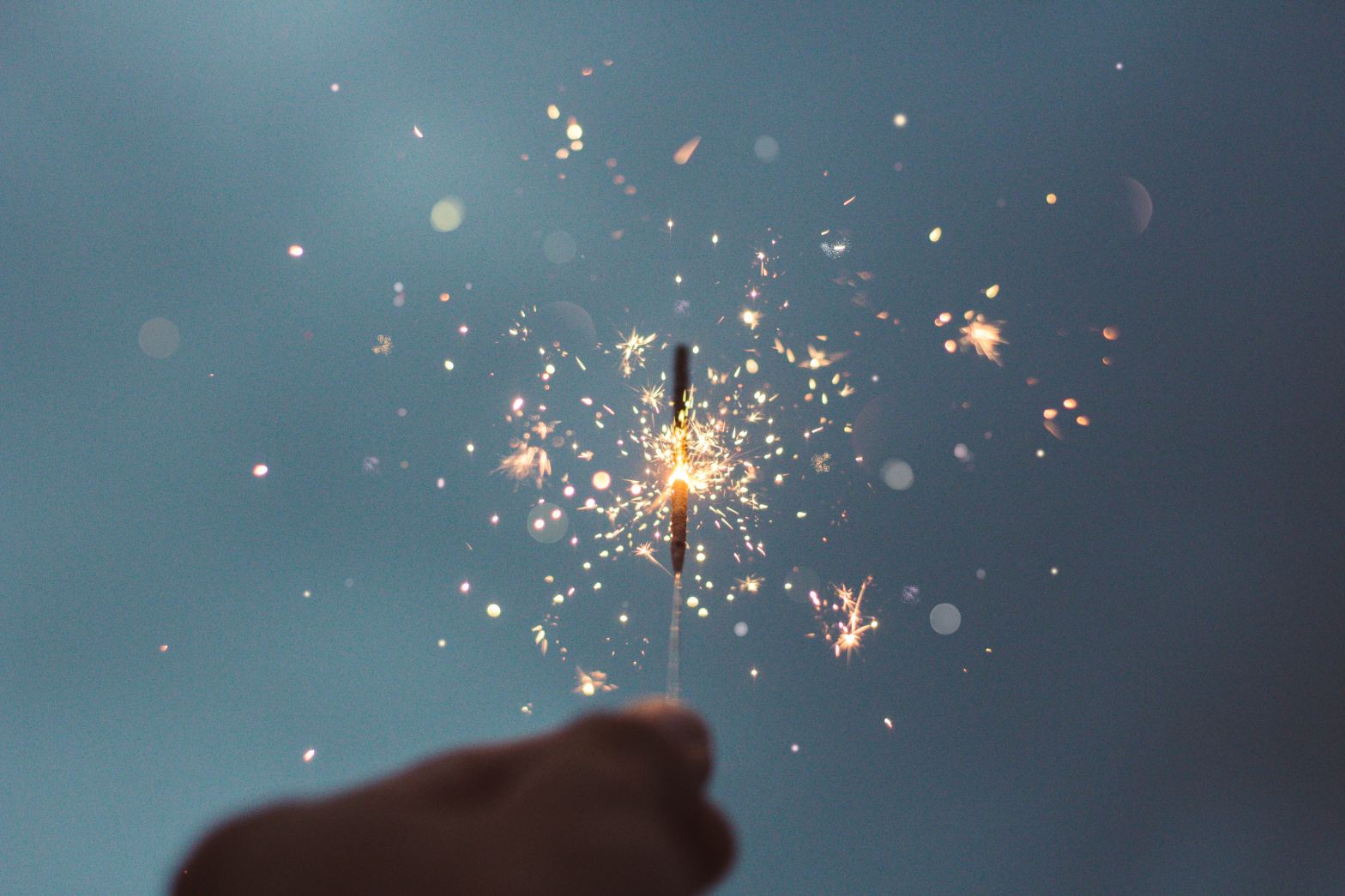

What do you do when the fire isn’t there? When you can see the glowing embers, but it just looks like the fire is on the way out; when the energy you need to fan the flames feels defunct? When you feel diminished and lacking rather than fiery and vital?
The key is in the fact that there are still embers, that there is still something to fan. There are different phases of our lives, and particularly as women with the added bonus of the menopause. There are different periods of awakening and revival as well as resting and restoring.
We’ve written previously about the way in which cycle tracking can help with understanding the ebb and flow of your energy, and in fact Jo explored that in our last blog. We’ve even created a way for you to build this in to your weeks and months through the Your Life Less Ordinary journal. Understanding that there are seasons of life, of the year, of the months, and even (when it comes to energy) during your days, can really help. But it’s just a (really helpful) part of the picture when it comes to reigniting your spark.
It’s time to get curious; to explore why you feel like the flames have turned to embers. We explored some of the reasons why we may feel like we’ve lost ourselves in the June blog, highlighting some of the examples of when that may happen. Perhaps one of those fits into what you’re feeling now.
One of the things that we’re not amazing at is creating the time and space to explore what’s going on for us. Jo and I are huge advocates of journalling and of slowing down to get curious about what’s going on for us. On the weekenders, one of the reasons our guests feel like they have epiphanies is that we get them to be still and get curious. Creating the conditions to do something as ‘indulgent’ (please sense the slightly veiled sense of sarcasm there – it’s NOT indulgent, it just feels like it!) as spend time thinking about ourselves is really important to unlocking what’s going on.

You might like to create a little bit of a ritual around it. Perhaps light your favourite scented candle (my advice – don’t save things for best!), put on a little background music and make yourself a cuppa (or pour a glass of wine if the time is appropriate!). Grab a special notebook and a pen that you love to write with, and then explore these journalling questions:
- Why do I feel the spark has gone?
- When did I first notice it’s light diminishing?
- When was the last time I felt ‘sparky’? What was I doing? Where was I? Who was I with?
- How did it feel?
- Without over thinking it, write a list of 20 things that you feel would ignite your spark (small or large, a glow in the ember is sometimes easier to achieve than a towering inferno when you’ve felt the fire hasn’t been lit for a while!)
- Well done you! You’ve got a whole heap of data and information in front of you. Now the next step.
- Pick three of those things – go where your heart and energy is drawn
- Create a plan to make them happen – don’t change which ones you’ve picked now you’ve read this step! If it feels too huge and ambitious, try breaking them down into smaller steps.
- Who could help you make these happen?
- When could you do them?
- What do you need to make them happen? Please be careful not to hide behind delay tactics here – i.e. if your spark is to go wild camping, you do not need to get a qualification in bushcraft first.
I’m so excited that you’re exploring how to get your spark back. Let us know how you get on!
Jane x
P.S. Want to take it further? Why not join us on a weekender and give yourself the gift of time, space, and personal coaching to explore this further.
 Your Life Less Ordinary